Picking Mushrooms After Socialism: Local Knowledge in the Fläming, from the German Democratic Republic (GDR) to Today
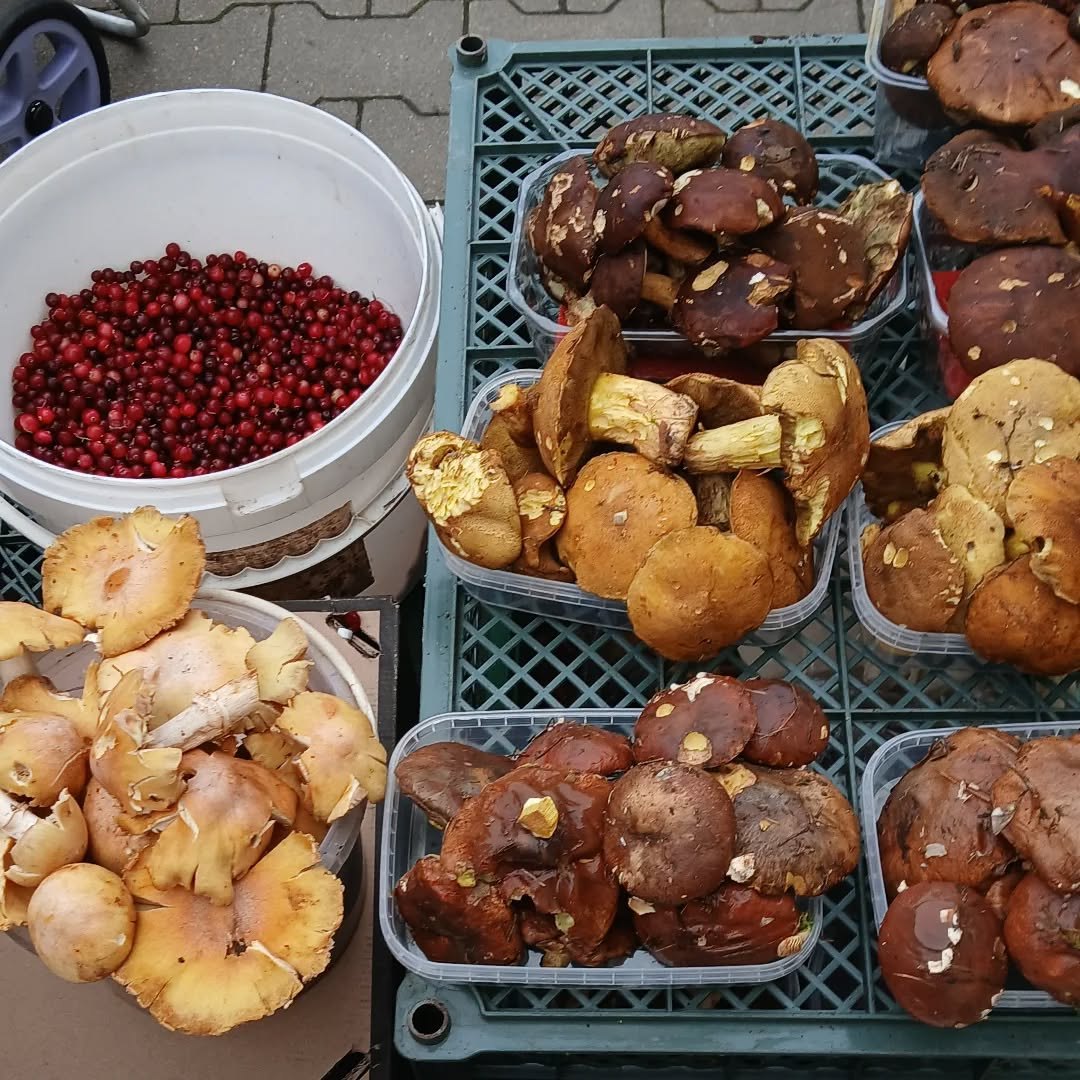
In August 2027 I will be at Schloss Wiepersdorf, in the Fläming region of Brandenburg, to study how local knowledge of wild mushrooms has changed from the last years of the GDR to the present: how people identify, name, classify, use and perceive fungi.
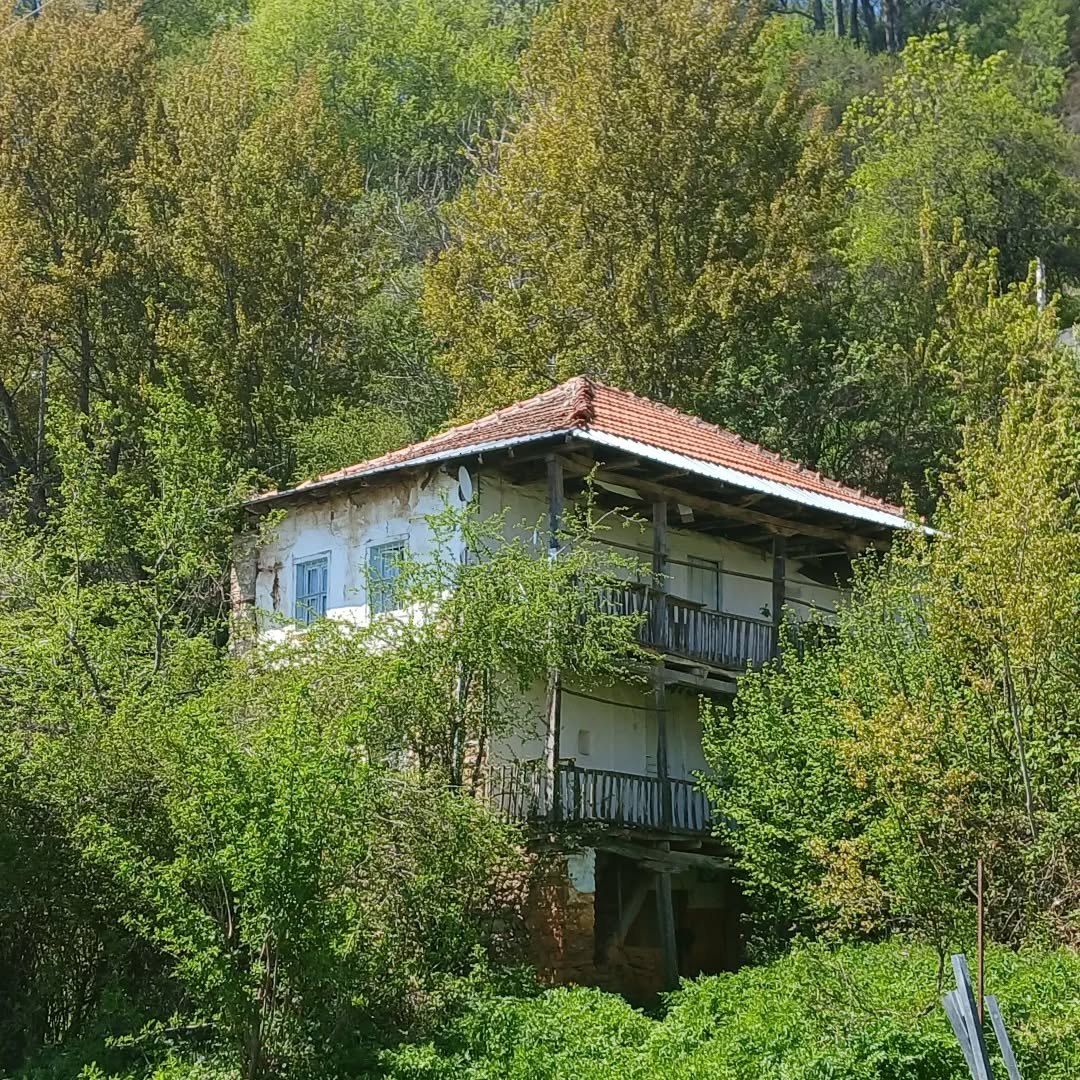
In the GDR, mushroom gathering in these forest landscapes was part of everyday rural life, both a subsistence and a cultural practice, sustained by collective habits and passed on from one generation to the next. Since reunification, depopulation, new patterns of land use and different rhythms of work and leisure have reshaped the practice and the knowledge behind it.
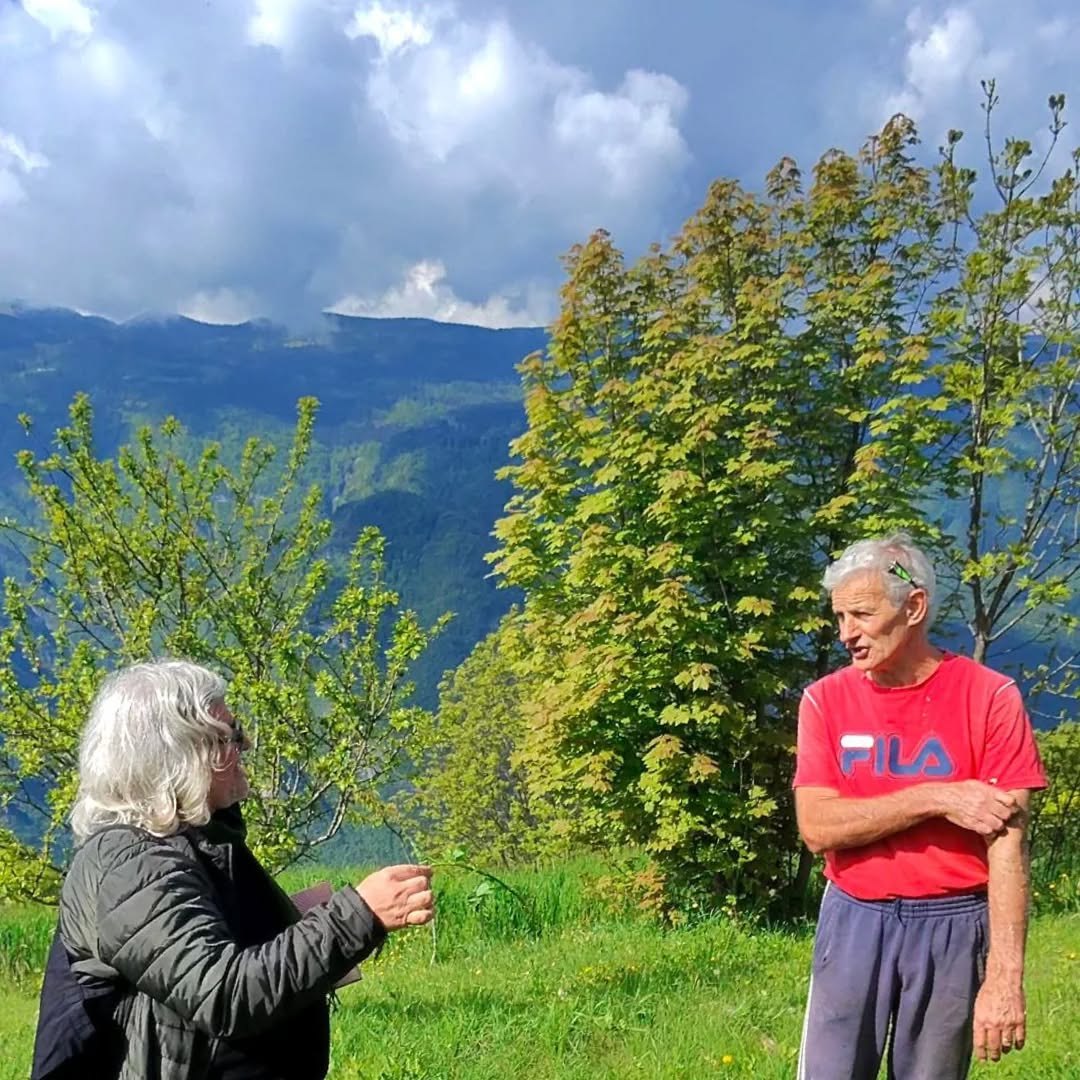
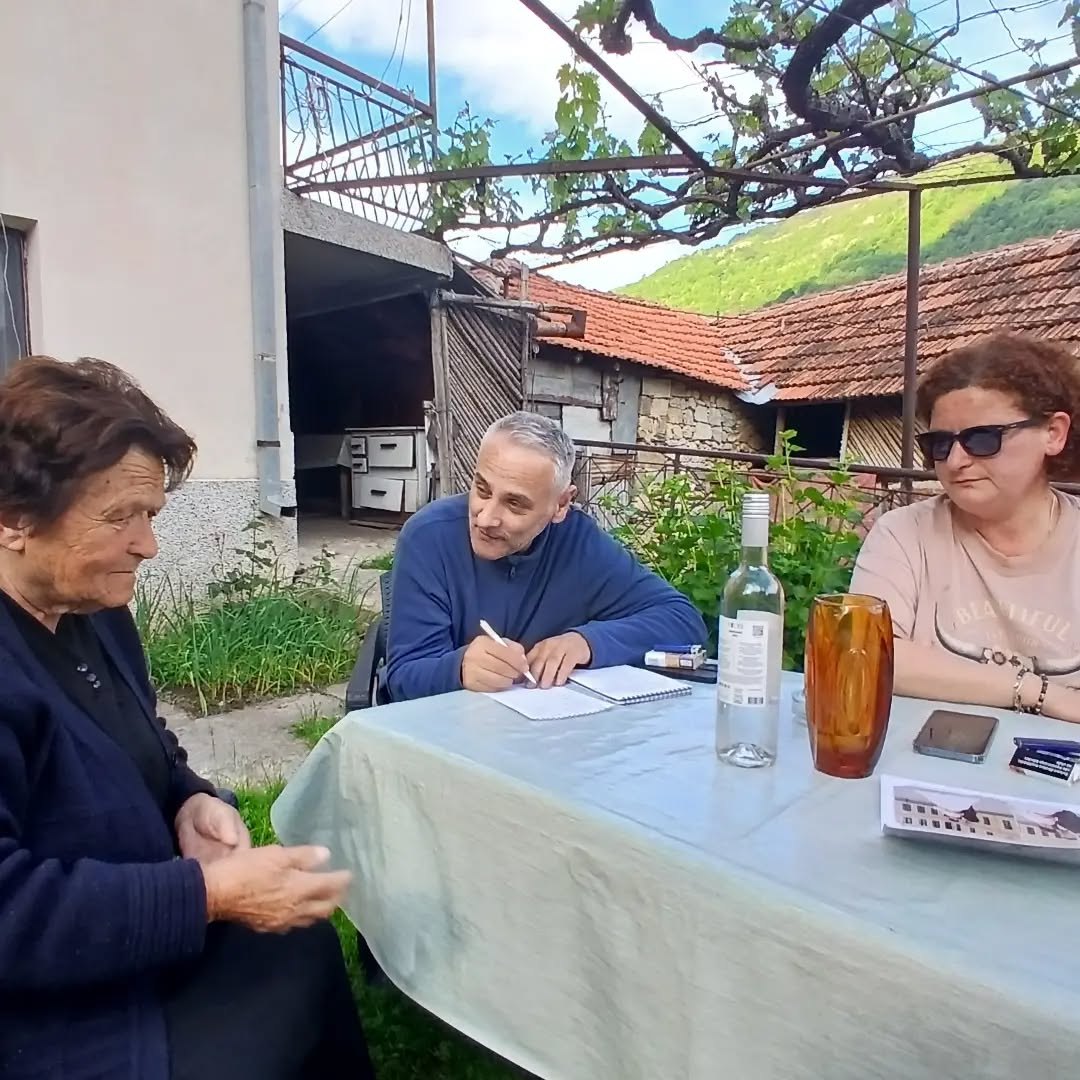
The work is ethnographic. In Wiepersdorf and the neighbouring villages I will conduct in-depth, semi-structured interviews and walk the woods with foragers, observing how they recognise species, read ecological cues and make decisions on the spot. The oral histories of elderly residents who lived through the GDR will be set against present-day practices, in order to trace continuity, erosion and transformation, and to understand whether knowledge still travels through families and village networks or increasingly through the media and amateur mycological societies.
Fungi are approached not only as food, but as culturally meaningful and ecologically active beings. The project adds a post-socialist, rural chapter to my work on how local ecological knowledge adapts to historical change, and on mushroom knowledge in the two Germanies.